
CDOT’s Bridge Maintenance: Keeping our Infrastructure Safe
Maximizing the lifespan of Colorado’s aging bridge infrastructure using preventative, specialized care.
By: Stacia Sellers, Division of Maintenance and Operations Communications Lead
The Reality of Aging Infrastructure
Nearly every product has an expiration date. From the leftovers in your refrigerator to major highway infrastructure, time naturally runs its course. If left unaddressed, they’re going to rot away.
When it comes to transportation infrastructure, we build things to last. But the moment construction is complete, another clock starts ticking. The longevity of our aging infrastructure requires proactive maintenance — a responsibility that CDOT’s Division of Maintenance and Operations (DMO) takes seriously to maximize the lifespan and safety of the state’s transportation network, with bridges at the top of the list.
Bridges Undergo Major Wear and Tear
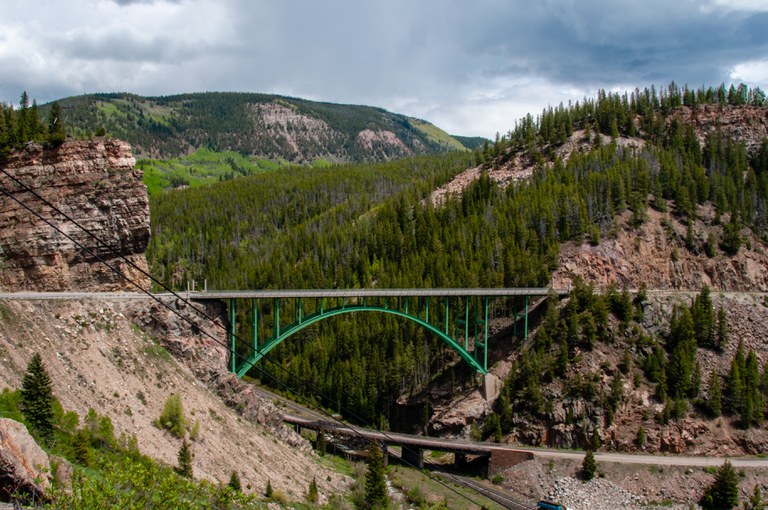
Bridges are everywhere. Whether you are making a quick trip to the grocery store or waiting on a package delivery, how you operate day-to-day relies heavily upon bridges. They play a massive role in the state’s economy, connecting communities and making travel more accessible, which makes their upkeep and preservation so critical.
CDOT is responsible for maintaining almost 3,500 bridges statewide that are subject to extreme climate conditions and traffic demands. From the Western Slope to the Front Range and the Eastern Plains, Mother Nature has numerous ways to shorten the lifespan of bridges, whether it be from extreme heatwaves, heavy rainfall or freeze-thaw cycles in the winter and spring.
While Colorado’s bridges are more prone to harmful environmental stress, it’s also important to acknowledge that many of our structures are also nearing the end of their 50- to 60-year lifespans. That’s why CDOT works so hard to evaluate and repair thousands of bridges year-round.
CDOT’s Role in Maintaining These Bridges
DMO’s Bridge Maintenance Crew works alongside CDOT engineers, who brief them once inspections are done on bridges and other structures — including retaining walls, noise walls and culverts with spans greater than four feet. Collectively, they determine the severity of required maintenance to proactively prevent structural deterioration before it compromises safety.
This technical, hands-on work changes constantly depending on the project. On any given shift, crews could be repairing a guardrail, waterproofing or patching a hole in a bridge deck, or making drainage improvements. It’s a grueling, year-round job to enhance the safety and longevity of our bridges. Working on a bridge suspended in the air is definitely not for the faint of heart. But, it’s rewarding, fun and exciting.
Enter: The CDOT Bridge Crew
Few do it better than the self-proclaimed “Bridge Boys.” This Region 1 crew is a tight-knit group that recognizes the critical role they play in preserving the bridge infrastructure across the state’s most bustling, high-traffic corridors. They are fully aware of what is at stake — travel reliability and consistency for the countless daily commuters who depend on their work keeping bridges safe.
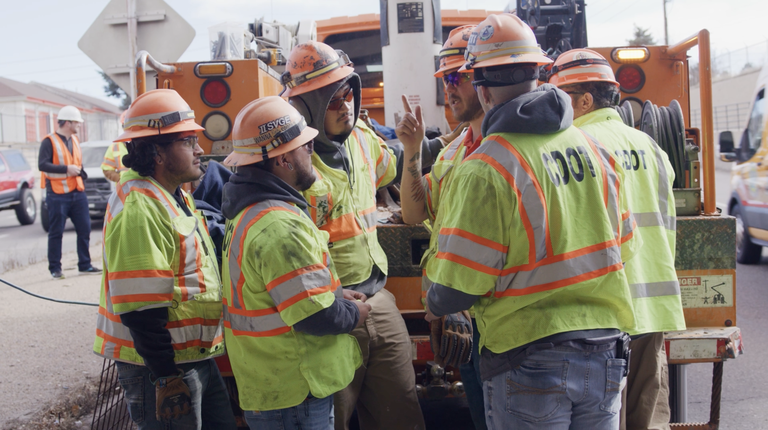
The “Bridge Boys” are responsible for upgrading structures deemed in “fair condition” to “good condition,” or, at the very least, stabilized to remain within their current classification based on their most recent inspection.
These crews tackle complex engineering challenges under demanding conditions. They scale massive heights to scrub away rust and seal steel girders, swap out critical multi-ton bearings, inject protective overlays onto concrete decks, and close out joints before changing temperatures can stress the structure.
The team thrives on the intense problem-solving required in this field and the adrenaline of working in unique environments. Their camaraderie is unmatched and embodies the DMO's mission. They aren’t just filling potholes or patching cracks on the bridges you drive every day; they are adding years to the lifespan of Colorado’s transportation infrastructure network, one bridge repair at a time.
