
Speeding barely saves you any time, new study finds (Vice)
Shift into Safe News
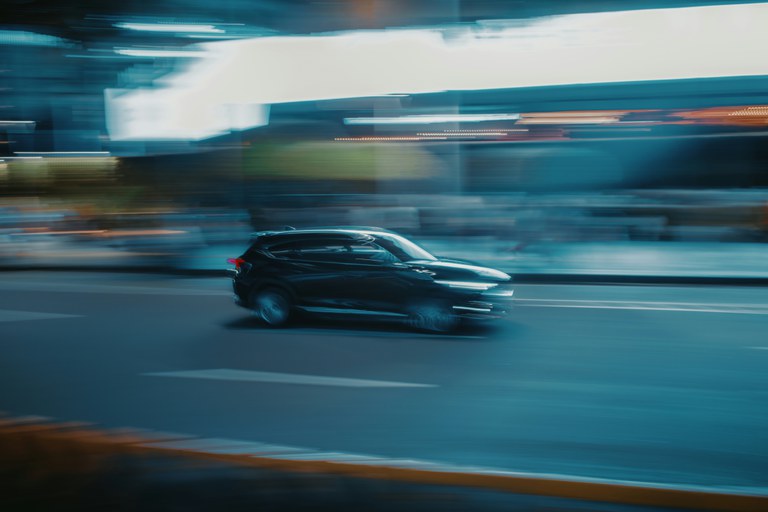
There are lots of reasons people speed while driving. Saving time, according to a new study, is not actually one of them — at least not in any meaningful sense.
Researchers at the University of Minnesota analyzed more than 120 million vehicle trips across the U.S. to measure what speeding actually costs — in fuel, emissions, money and time. The findings, published in Communications Sustainability, aren’t flattering for anyone who feels like the speed limit doesn’t apply to them. Drivers who complied with posted speed limits on highways and arterial roads increased their travel time by an average of 54 seconds per day, based on a mean daily driving distance of 28.6 miles. That works out to just over six minutes per week.
“If your goal is to shave one minute off your time, then you’ve got to drive fast,” said study co-author Professor William Northrop. “If your objective is to get to your destination safely and to save fuel, then you might drive slower than the speed limit.”
The tiny amount of time speeding actually saves, according to researchers
The trade-off for those 54 seconds is substantial. The researchers estimated that if drivers nationwide stuck to posted speed limits, it could save more than 6 million gallons of fuel, $18 million, and 50,000 metric tonnes of carbon dioxide per day. Annualized, those daily fuel savings are equivalent to removing about 5.5 million conventional passenger vehicles from the road.
Forty-three percent of the 120 million trips in the dataset included at least one speeding event. On those trips, drivers spent nearly 12% of their time above the limit, typically by around 11 mph. North Carolina led the country with 62% of trips involving speeding, while Montana and South Dakota came in below 27% — a gap the researchers attribute more to road infrastructure than to driver behavior.
Read the full article about how speeding barely saves you any time.
