
More car ads promote vehicle performance despite dangers of speed (IIHS)
Shift into Safe News
A new study from the Insurance Institute for Highway Safety (IIHS) found that from 2018 to 2022, advertisements emphasizing vehicle performance increased even as deaths linked to speeding and aggressive driving continued to mount.
Forty-three percent of vehicle ads aired during 2018, 2020 and 2022 highlighted speed, maneuverability, traction, stopping or power. The focus on performance grew over time, and speed was emphasized more than twice as often as safety, the researchers found.
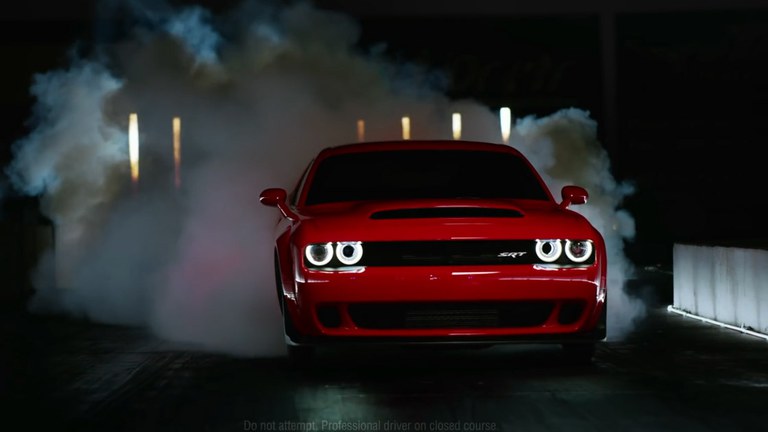
“Showing a stunt driver zooming around a tight turn in the rain might seem harmless, but these ads reinforce our cultural obsession with speed,” IIHS President David Harkey said. “The fine print may caution that it’s a professional driver on a closed course, but the message they convey is that you can drive this way too.”
That’s not a helpful takeaway for U.S. drivers. In 2024, 11,288 lives were lost in speed-related crashes, representing 29% of all road deaths in the country.
U.S. Lacks Regulation
From 1950s hot-rod songs to action-film franchises like The Fast and the Furious, speed has long been a celebrated part of U.S. car culture. Unlike movies or music, vehicle advertisements are designed specifically to persuade potential buyers. Many of them present high-performance driving as something consumers can purchase and experience.
This phenomenon is not new. An ad for the Nissan 300ZX Turbo shown during the 1990 Super Bowl was criticized by IIHS and other safety groups as showing “a blatant disregard for public safety.” The automaker agreed not to run it again. Still, an IIHS analysis of television advertising in 1998 found that performance was a theme in about half of all automobile ads.
In other countries, regulators control vehicle ads. The United Kingdom, for example, has standards that prohibit ads that encourage a culture of dangerous driving, explicitly restricting messages about power, acceleration or handling unless the context clearly relates to safety (such as swerving to avoid a crash).
In the United States, broadcasters, rather than regulators, set standards, but they are ambiguous and easily circumvented. As a result of such ambiguity, a large number of ads show drivers speeding, driving aggressively or testing the limits of the vehicle being advertised, the IIHS study found.
