
Colorado requires drivers to be responsible (Colorado State Patrol)
Shift into Safe News
While our communities haven’t quite reached ‘The Jetsons’ era, technology continues to advance and become increasingly more integrated into our daily lives. Common devices now track a person’s heart rate, monitor their sleep, share their geographic location, and can even detect a car crash and automatically call 9-1-1. Innovation has also brought autonomous or self-driven vehicles to Colorado roadways. So what happens if a driver is using these features and breaks a traffic law or crashes?
As these technologies become more common, the Colorado State Patrol wants to remind motorists that even when a vehicle is equipped with an automated driving system or features, the driver remains legally responsible for the vehicle's safe operation. Drivers will still be cited for traffic violations and held responsible in the event of a crash — even when automation features are engaged.
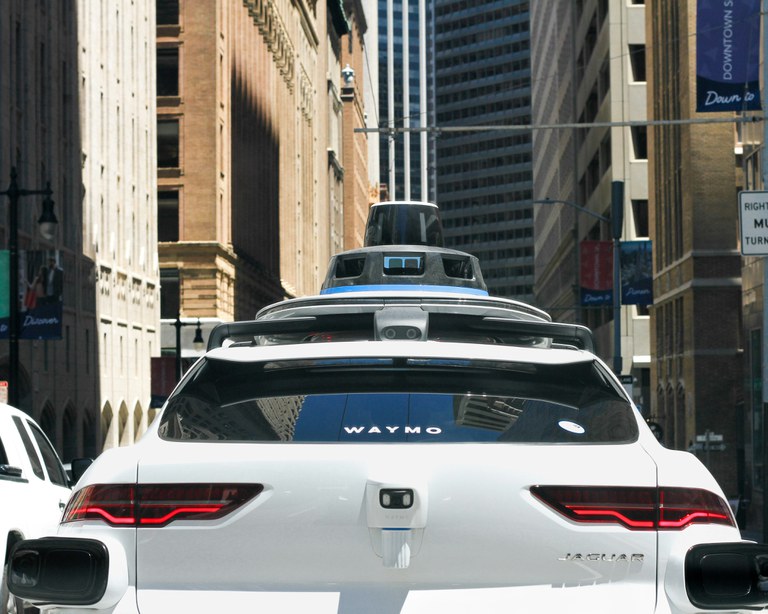
The Society of Automotive Engineers (SAE) developed the “Six Levels of Automation,” and Colorado Senate Bill 17-13 authorized the use of autonomous driving systems in Colorado under certain conditions. For Colorado, drivers are expected to remain capable of taking control of a vehicle. That means that if the driver failed to take over control when required, ignored alerts or was distracted, they would be held responsible.
Impairment and Autonomous Vehicles
The Colorado Department of Revenue (DOR) has begun collecting data to track crashes where impairment was suspected. “Suspected impairment” includes cases where a driver:
- Refused testing for alcohol or drugs.
- Was suspected of being under the influence of marijuana.
- Submitted to a blood draw or breath test as part of a DUI investigation.
While this data is not considered comprehensive or complete, DOR has a record of 11 crashes involving automated vehicles that included suspected impairment from 2021 to 2024 and in partial months of 2025.
Troopers want to emphasize that even when a vehicle is operating in an automated mode, impairment laws still apply to motorists. Drivers must remain attentive and capable of taking control of the vehicle at any time. Impairment — whether alcohol, drugs or a combination — significantly reduces a driver’s ability to respond appropriately if the vehicle disengages or encounters conditions it cannot safely navigate.
Learn more about the use of autonomous vehicles in Colorado here.
