
Wildlife Collision Prevention Program
What is the Wildlife Collision Prevention Program?
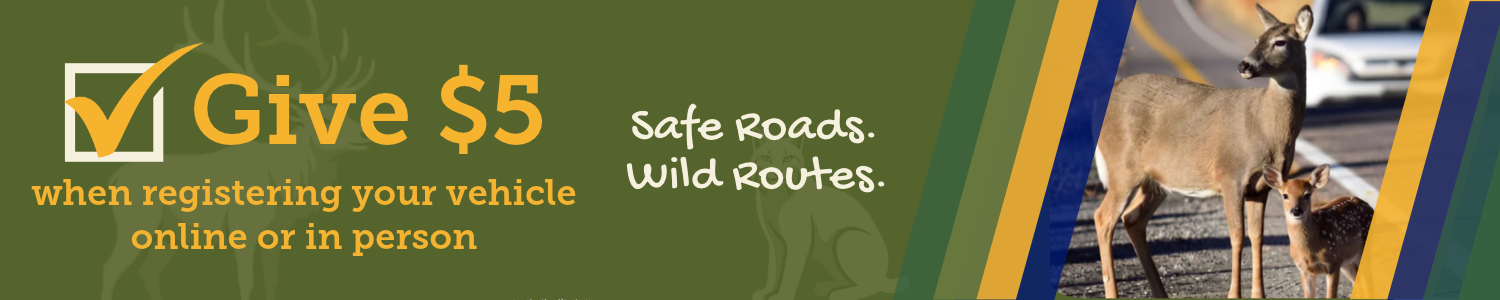
The Wildlife Collision Prevention program provides the opportunity for Coloradans to give $5 on annual vehicle registrations. The revenue generated will fund wildlife safety projects that save both animal and human lives.
Wildlife safety projects establish safe wildlife crossings and improve habitat and migration routes along Colorado’s state highways. The Colorado Department of Transportation, Colorado Parks and Wildlife and the Colorado Wildlife Transportation Alliance work together to design and build these wildlife safety projects in areas that have a high potential for wildlife-vehicle collisions.
How Wildlife Safety Projects Work
A busy highway can be a challenge for wildlife to cross and can endanger wildlife and people. Wildlife safety projects construct a variety of infrastructure features that help animals find their way safely across the road.
How We Help Wildlife Cross Highways Safely

Underpasses & Overpasses
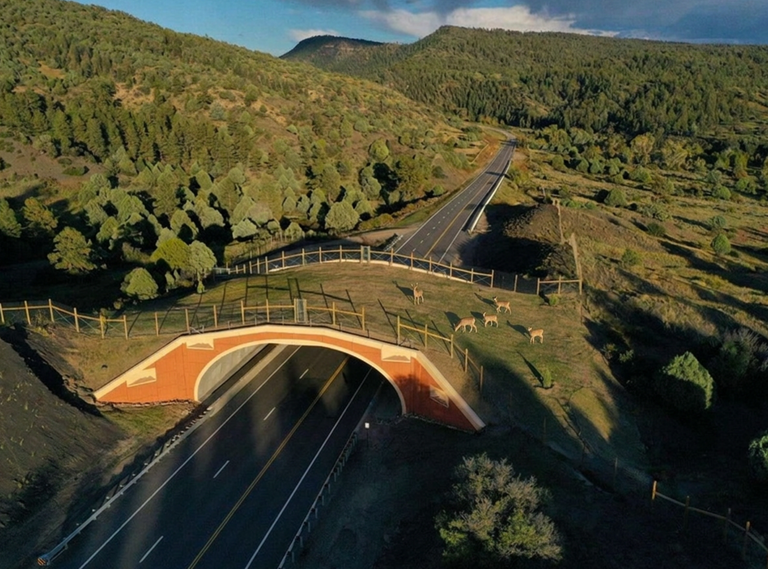
Bridge-like overpasses or tunnel-like underpasses mimic the natural landscape and let animals cross highways safely

Wildlife Fencing
Tall, specialized fences guide animals away from traffic and toward safe crossing zones

Wildlife Guards
Similar to a cattle guards, but much wider and are placed across driveways or road intersections to prevent wildlife from entering onto the fenced highway
Jumpouts
Dirt ramps enable wildlife to escape the highway if they become trapped on the roadway between wildlife fencing
Wildlife Safety Projects Make a Big Difference
Crash Prevention
Encountering wildlife on the road is one of the top causes of vehicle crashes in Colorado. With more than 4,000 animal collisions reported on our state's highways annually, the danger is real. Wildlife safety projects can reduce collisions by 90%. This innovative infrastructure improves road safety, traffic, and wildlife habitat connectivity. When you say "yes" to the optional $5 Wildlife Collision Prevention fee on your annual vehicle registration, you are helping build wildlife crossings that prevent crashes and save lives, keeping both animals and drivers safe.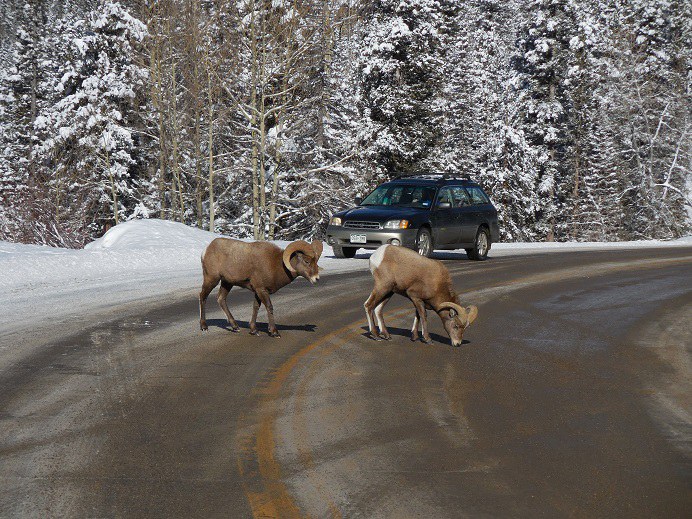
Cost Savings
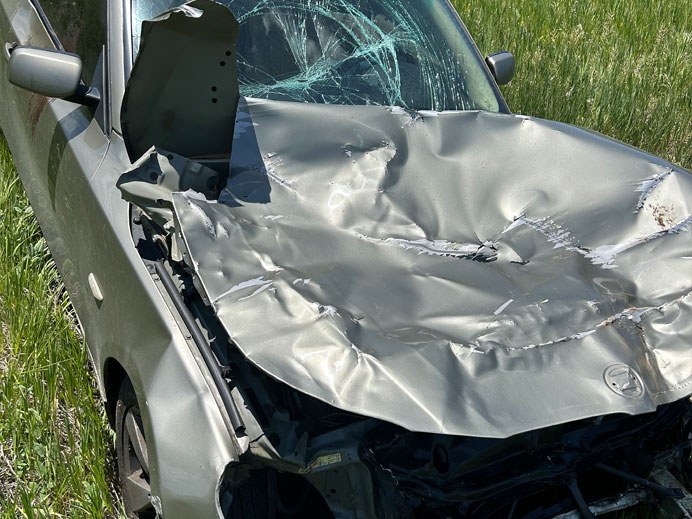
A vehicle crash with a deer or elk can cost $19,000 to $110,000. Preventing these collisions saves on costs associated with property damage, injuries, increased insurance premiums and wildlife loss. Wildlife safety projects can prevent these expensive and dangerous crashes. When you say "yes" to the optional $5 Wildlife Collision Prevention fee on your annual vehicle registration, you are investing in infrastructure that saves millions of dollars each year by preventing highway crashes in Colorado.
Protecting and Connecting Wildlife Habitats
Home to the largest elk population in the world, Colorado has no shortage of wildlife. But roads cut through the habitats that wildlife need to move through daily and seasonally to find food, water and mates. Building wildlife safety projects can reduce wildlife-vehicle collisions, protecting countless wild animals. When you say "yes" to the optional $5 Wildlife Collision Prevention fee on your annual vehicle registration, you are investing in innovative highway safety structures that save animals.
Senate Bill-141 (SB-141) Background
In 2026, the Colorado Legislature passed SB-141, the Wildlife Collision Prevention Program. Beginning on Jan. 1, 2027, SB-141 implements an optional $5 fee when registering vehicles. The fee is collected at the time of registration of a passenger motor vehicle, light-weight truck, motorcycle, or recreational vehicle. An individual may decline to pay the fee when registering their vehicle, and nonpayment of the fee does not affect the individual's ability to register the motor vehicle. The optional fee will fund wildlife safety projects that reduce wildlife-vehicle collisions and improve habitat connectivity.
Frequently Asked Questions
The Wildlife Collision Prevention fee was passed by the Colorado legislature in 2026 (SB26-141). The Wildlife Collision Prevention fee of $5 will be included in your annual vehicle registration through the Division of Motor Vehicles (DMV), unless it is declined. The funds collected will be used for wildlife safety projects on state highways and interstates and improvements to wildlife habitat and connectivity.
An individual may decline to pay the fee when registering their vehicle, and nonpayment of the fee does not affect the individual's ability to register the motor vehicle.
- 75% of funds are used to construction wildlife safety projects
- 25% of funds are used for wildlife habitat and connectivity improvement
- Wildlife-vehicle collisions are reduced by 90%, preventing injuries and saving lives
- Proven Design: Wildlife safety projects are highly effective, and just one system (overpasses, underpasses and fencing) prevents thousands of collisions
- Cost Savings: Wildlife safety projects reduce unexpected expenses associated with vehicle damages, injuries and insurance claims
- Protect Wildlife: Wildlife safety projects improve wildlife movement, migration and habitat.
- Make a Difference: Your contribution will help build wildlife crossings and fencing on Colorado highways and interstates
The Wildlife Collision Prevention fee option is only available when you register your vehicle online or in person at a DMV office. The option is not currently available when you renew registrations at kiosks or by mail.
- If in person, tell the county clerk you’re declining the Wildlife Collision Prevention fee
- If online, there will be a prompt during the transaction asking if you want to support the Wildlife Collision Prevention fund. Select “No” to decline paying the annual $5 fee
Yes, if registering vehicles online or in person you will be asked each year if you choose to contribute.
An individual may decline to pay the fee when registering their vehicle, and nonpayment of the fee does not affect the individual's ability to register the motor vehicle.
Yes, the Wildlife Collision Prevention fee, paid during your annual vehicle registration with the DMV, is linked to each specific vehicle being registered.
Learn more about the Division of Motor Vehicles at: dmv.colorado.gov
Additional Resources
Colorado Division of Motor Vehicle
 Colorado Wildlife & Transportation Alliance
News on Wildlife Collision Prevention
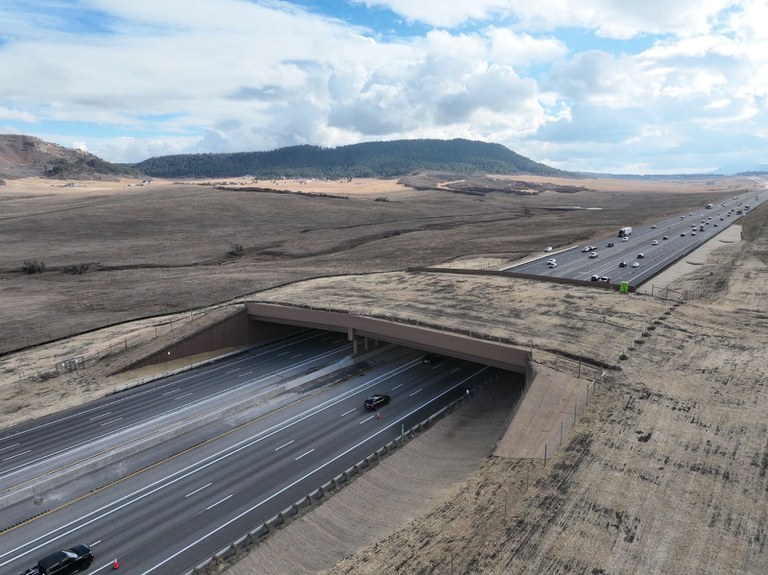
January 2025
CDOT completes construction of the I-25 Greenland wildlife overpass
North America’s largest wildlife overpass is open for wildlife
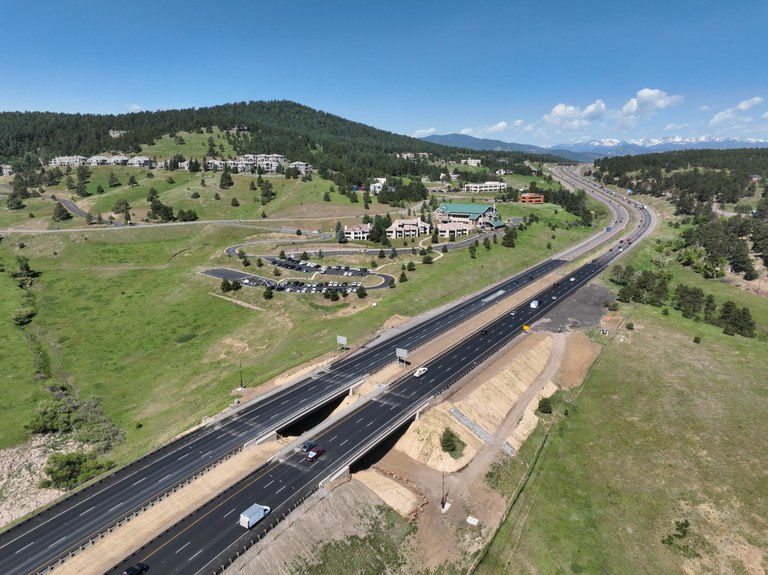
May 2025
CDOT celebrates delivery of first major wildlife crossing on the I-70 Mountain Corridor near Genesee
Underpass to improve safety in location of highest wildlife-vehicle collisions.
