
Mobility Hubs | Transportation Centers Reimagined

What is a Mobility Hub?
A mobility hub is a place where multiple modes of transportation (cars, regional bus services, bicycles, pedestrians, micro-mobility, public transportation and so on) seamlessly integrate to allow for quick mode-to-mode and route-to-route connections. CDOT has prioritized mobility hubs as a statewide program since 2019 and is committed to providing excellent bus transportation through the state-run Bustang family of services.
Where Can I Find Mobility Hubs?
CDOT’s Mobility Hubs will be located along I-25 from Fort Collins to Pueblo and I-70 from Denver to Grand Junction, providing Bustang bus services along Colorado’s major interstate corridors, along with convenient access to most other regions of Colorado via the Bustang Outrider network or through local transit providers. Several of these hubs will replace existing park-n-ride stations while others will provide new connections. Mobility Hubs are planned for several towns and cities across Colorado, including:
- Castle Rock
- Colorado Springs
- Fairplay
- Grand Junction
- Idaho Springs
- Lone Tree
- Monument
- Pueblo
Check the map below to learn more about the status and location of planned Mobility Hubs.
- Castle Rock Mobility Hub
- Fairplay Mobility Hub
- Grand Junction Mobility Hub
- Harmony Road Mobility Hub
- Idaho Springs Mobility Hub
- Monument Mobility Hub
- North Pueblo Mobility Hub
- Woodmen Mobility Hub
Colorado has experienced significant population growth over the past decade and is projected to continue to grow and urbanize in the future, especially along the Front Range. The transportation options and infrastructure that were built in the 20th century to support the state will not meet the needs of Colorado’s residents in the future. As a result, CDOT and its partners continue to plan and implement high-quality transportation infrastructure and services that can accommodate Colorado’s changing needs – for which Mobility Hubs will play a critical role. In 2019, CDOT made the policy decision to prioritize SB 17-267 funds for the development of mobility hubs across the state.
“When the Commission and CDOT decided to prioritize state funds to develop mobility hubs, we knew we needed to have the necessary infrastructure in place to meet the transportation needs of the 21st century,” said Colorado Transportation Commissioner Karen Stuart.
Mobility Hub Benefits
- Improve current regional bus services and rider convenience
- Re-envision the traditional Park-n-Ride transit locations into multi-modal connectivity and activity hubs
The mobility hubs will be used to further enhance the Bustang, Bustang Outrider, and other interregional transit services that CDOT currently deploys. Increasing transit services across the state will, in turn, assist state initiatives to decrease air pollution, reduce vehicle miles traveled, and mitigate congestion along key travel corridors.
“Our current mobility hubs, the one we’re breaking ground on today, and the ones we’re going to construct in the next several years, will play a critical role in shaping our transportation future.”
- Karen Stuart
How Mobility Hub Locations are Selected
Locations for Mobility Hubs were determined through a comprehensive evaluation that began with the Regional Bus Network Plan - which analyzed areas with a high potential need for transit service and laid the foundations for effective mobility hub locations.
Additionally, factors such as roadway geometry, travel patterns, regional connectivity, community support, and surrounding land uses were taken into account.

Biking
Use bike-sharing services or access bike/pedestrian paths

Micro-Mobility
Access to e-scooters and other micro-mobility devices
Parking
Short- and long-term parking are available
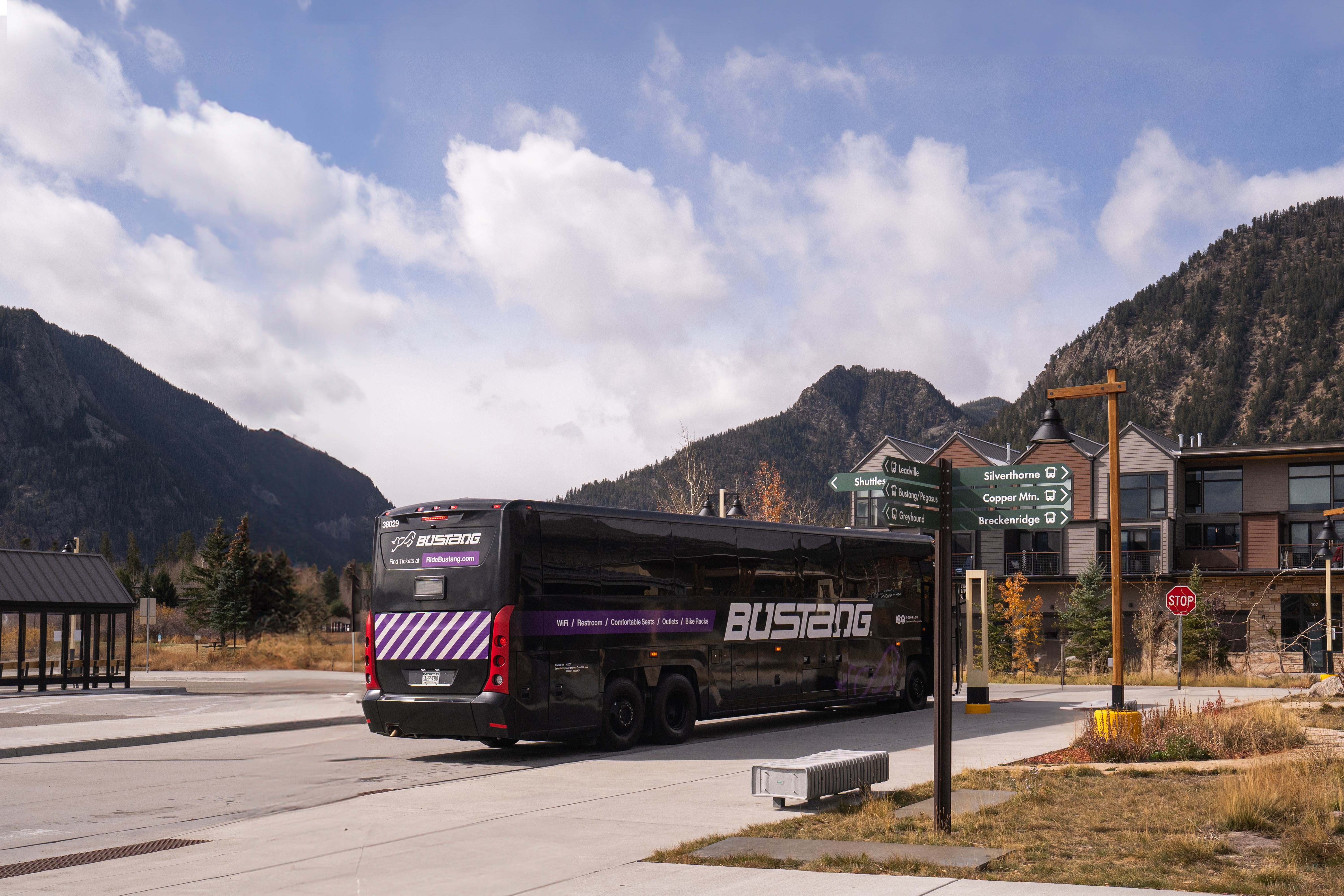
Public Transit
Connect to regional and local bus routes

Ride Share
Designated pick-up and drop-off zones taxis, Uber and Lyft

July 2025
CDOT & City of Lone Tree break ground on I-25 Mobility Hub
The fifth one along the I-25 corridor will provide people in the south metro area with additional transit options.
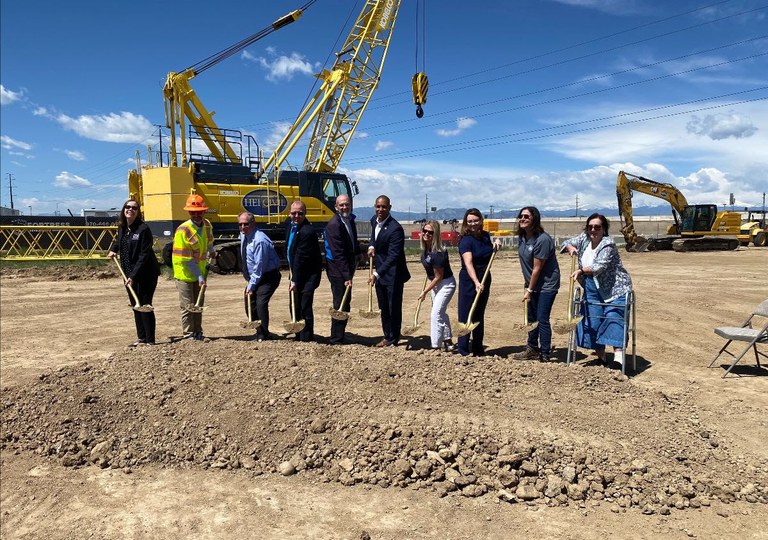
May 2025
CDOT, Thornton & Broomfield break ground on I-25 Mobility Hub
New facility will provide northern Colorado with additional transit options and connections to other locations across the state.
