
How long should I wait to drive after getting high?
Waiting to drive and understanding THC dosage can help you avoid a DUI.
Key Takeaways:
- The impairing effects of cannabis and its duration vary based on the product consumed, how much is consumed, or if it’s mixed with alcohol or other intoxicating substances.
- As little as 10 mg of cannabis can be enough to impair you.
- Using two or more intoxicating substances together is known as poly-consuming and can increase the risk of a crash.
CDPHE recommendations for safe consumption of cannabis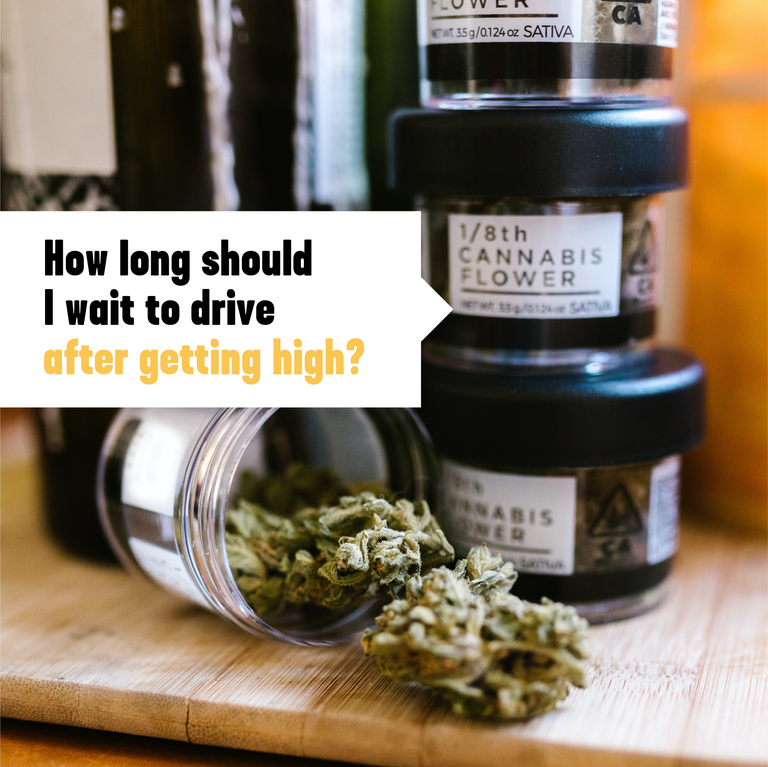
In 2025, Colorado experienced its most deadly year for impaired driving since 2022. More than 230 lives were lost in impaired driving-related crashes. It's up to all Coloradans to put safety first. Even one death caused by impaired driving is too many.
One of the best safety measures you can take when consuming cannabis is to wait before you get behind the wheel. The question is: how long do you need to wait before driving? Below is some information from our friends at the Colorado Department of Public Health and Environment (CDPHE).
If you plan to consume cannabis, consider the following typical impairment durations:
- Smoking, dabbing or vaping cannabis can impair you for up to four hours.
- Eating cannabis in the form of an edible can impair you for at least eight hours.
- Drinking THC or using tinctures can impair you for up to six hours.
- If you have consumed alcohol in addition to consuming cannabis, it’s crucial to wait even longer before getting behind the wheel. Using cannabis and alcohol together enhances the effects of each, causing increased side effects. And some products sold on the illegal market can even cause intoxicating effects that last longer than 12 hours.
Remember: As little as 10 mg of cannabis can be enough to impair you. If you're going to consume cannabis, always wait to drive, even if that wait may be several hours.
Driving impaired should never be an option — your safety and that of those around you matters. Visit the Drugged Driving homepage to learn more about our campaign efforts.
Poly-Impaired Driving
Driving under the influence of alcohol, cannabis, natural medicine (psilocybin) or other drugs — especially when combined — is dangerous and illegal. Using two or more intoxicating substances together (also known as “poly-consuming”, “polysubstance use” or “polydrug consumption”) enhances the effects of each substance and increases the risk of a crash. In fact, about one-third of drivers in fatal crashes involving impairment in Colorado test positive for multiple impairing substances, including alcohol. Motorists should know that Colorado Drug Recognition Experts (DREs) are trained to recognize impairment in drivers under the influence of drugs and/or alcohol, and that impaired driving of any kind can lead to a DUI arrest.
